
Market
Coastal Risk & Economic Exposure
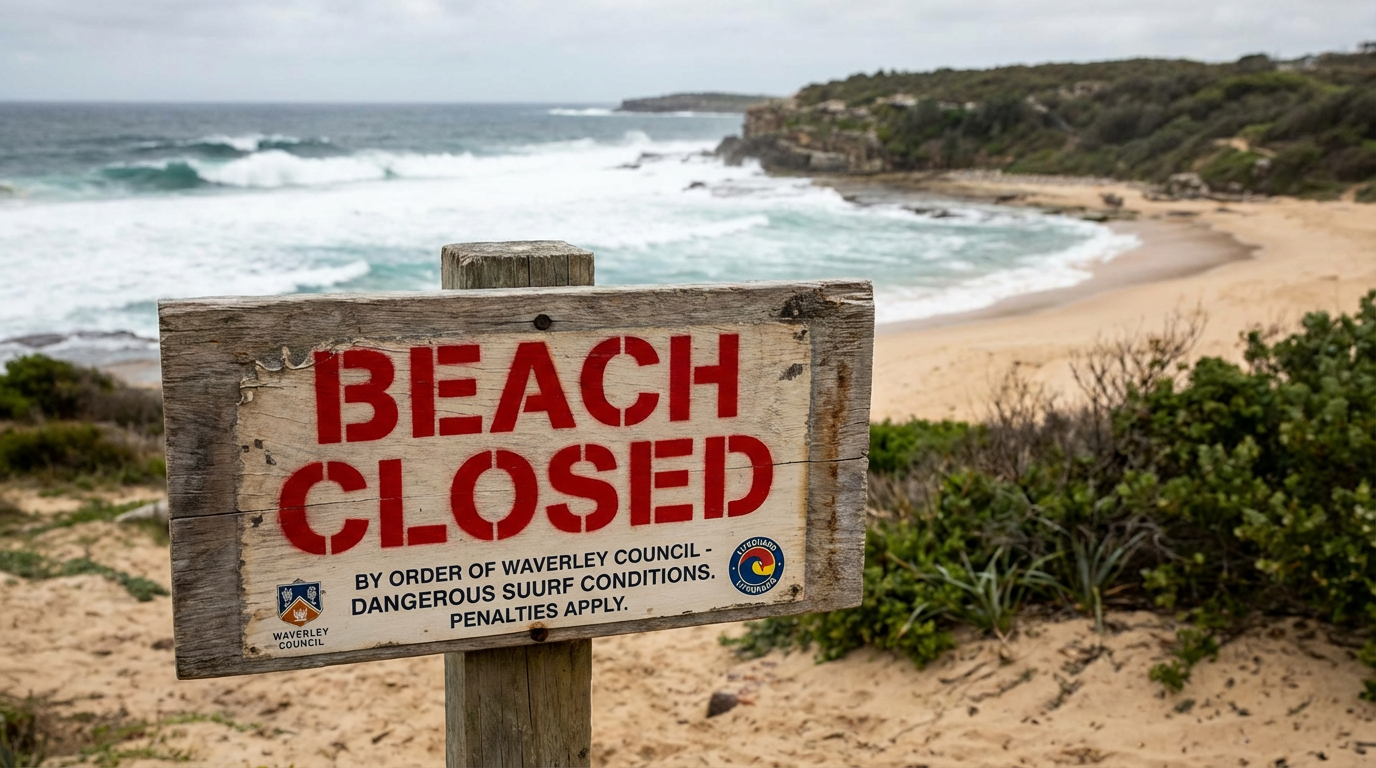
Coastal communities and resort operators face recurring economic disruption from marine hazard events. Beach closures, precautionary evacuations, and perceived risk can reduce daily tourism revenue, impact local businesses, and create reputational damage.
In high-traffic coastal regions, a single closure can affect:
Hotels and short-term rentals
Surf schools and water sports operators
Restaurants and retail
Event permits and coastal concessions
Even precautionary shutdowns — independent of confirmed incidents — carry measurable economic impact.
ShoreVize is positioned as preventative coastal infrastructure designed to reduce uncertainty and support informed operational decisions.
Addressable Market Framing
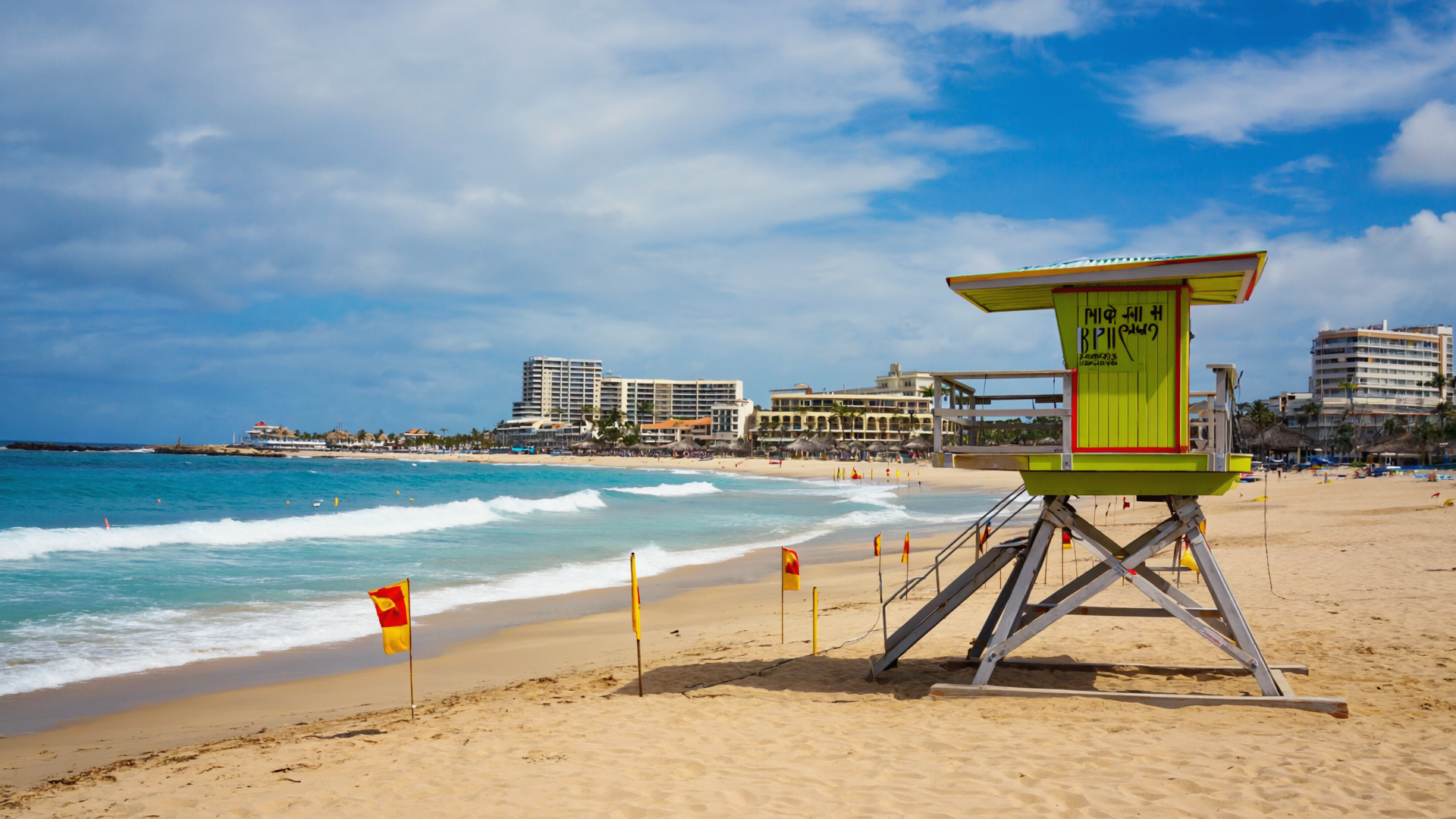
ShoreVize operates within the broader coastal infrastructure and marine safety market, intersecting:
Municipal coastal operations budgets
Resort safety & risk mitigation spending
Marine monitoring infrastructure
Environmental and coastal management programs
While marine wildlife incidents are statistically rare relative to overall ocean use, precautionary closures and public safety mandates create ongoing demand for improved situational awareness tools.
The addressable market scales by shoreline length, not incident frequency.
Primary Customer Segments
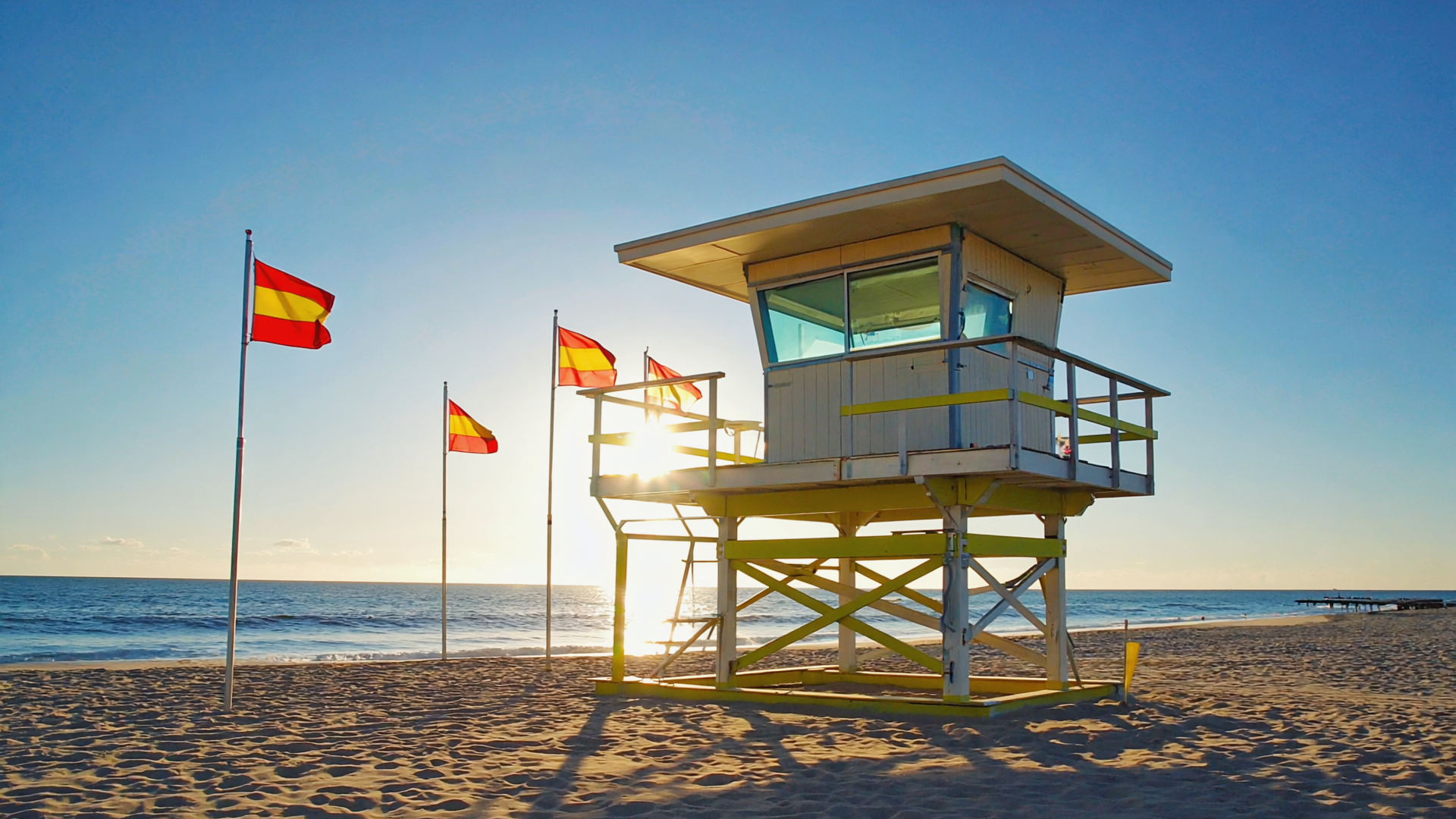
Municipal Coastal Authorities
Public beach management, lifeguard departments, and coastal safety divisions responsible for swimmer protection and liability management.
Resort & Private Coastal Operators
Hotels, gated beach communities, and destination properties with defined swim zones and reputational exposure.
Coastal Event & High-Traffic Sites
Surf competitions, marine parks, public gathering beaches, and tourism-heavy waterfronts.
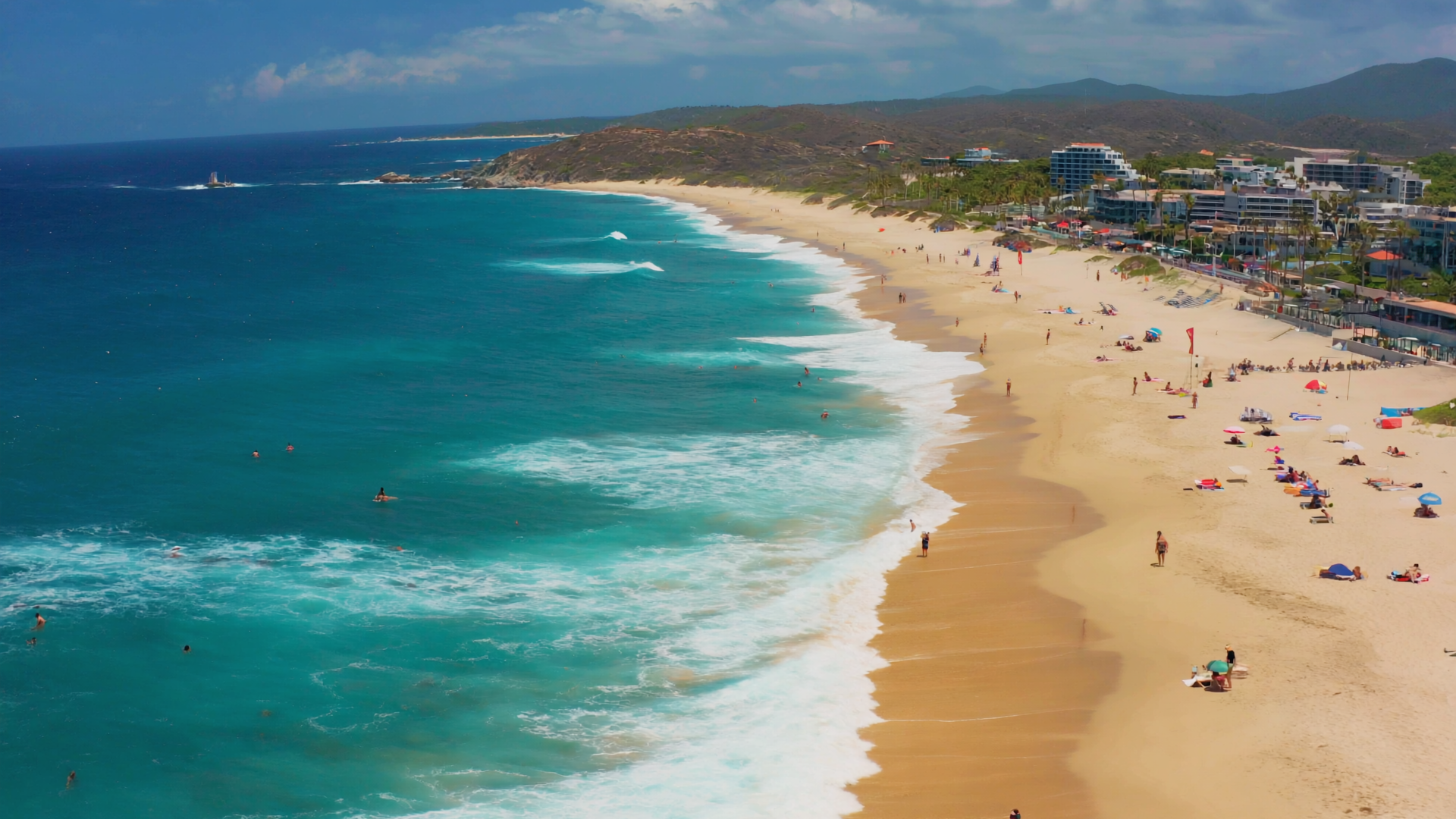
ShoreVize is designed for defined shoreline zones with consistent daily usage and measurable economic value per square meter of protected water.
Why Existing Solutions Fall Short
Current coastal monitoring approaches include:
Aerial surveillance
Tag-based tracking systems
Visual patrol
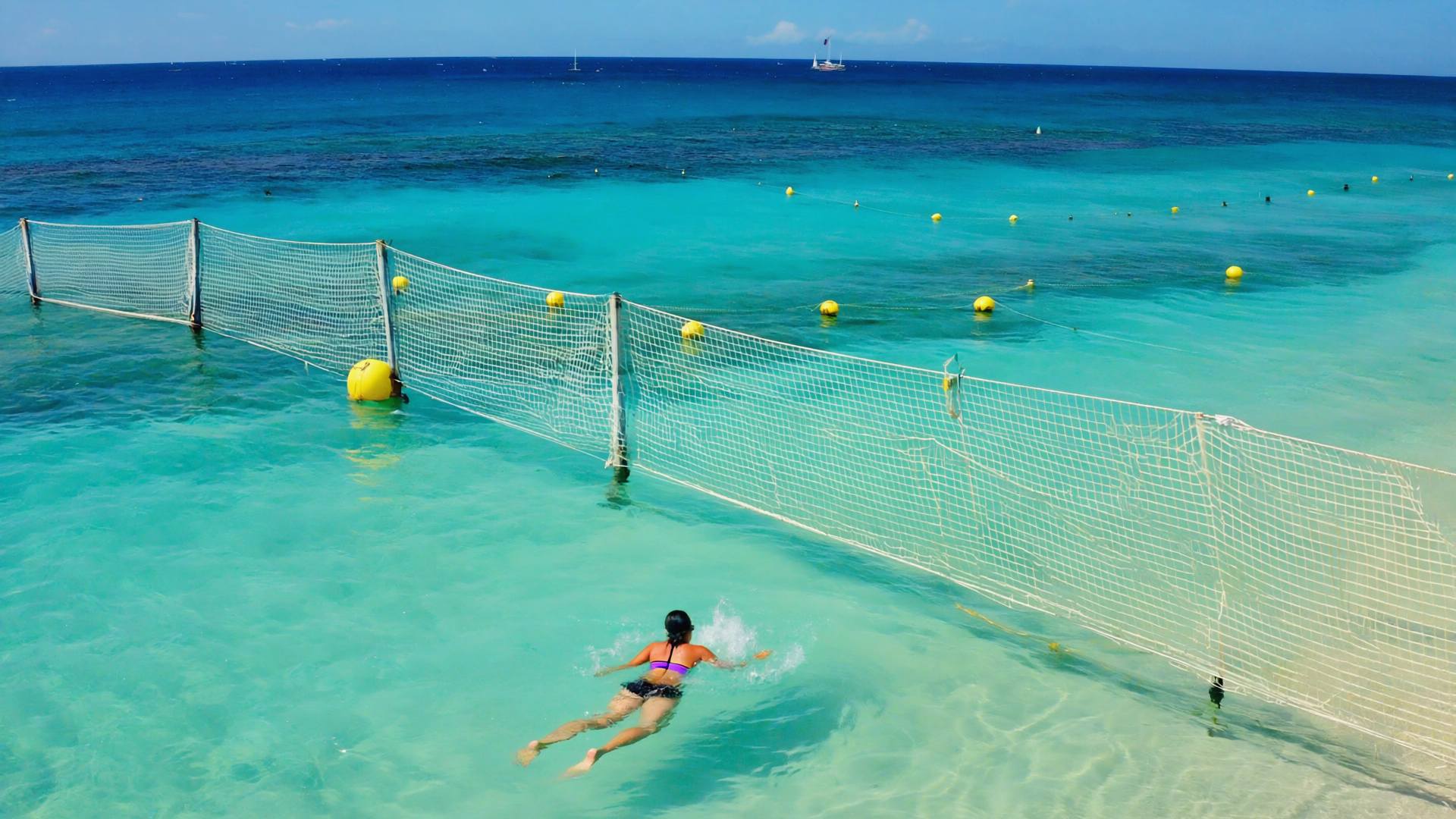
Net barriers in select regions
Limitations include:
Monitoring only tagged animals
High operational cost
Environmental impact concerns
Limited real-time zone visibility
ShoreVize introduces a deployable, non-permanent, shore-controlled detection layer that integrates with existing coastal safety operations.
Geographic Focus
Initial target regions include:
Australia (high-profile coastal risk zones)
Florida (U.S. high-traffic shoreline)
California (managed surf beaches)
Hawaii (tourism-driven coastal economy)
These regions combine:
High swimmer density
Structured beach governance
Documented marine wildlife activity
Established coastal infrastructure budgets

Market Validation Signals
Market signals supporting distributed coastal monitoring infrastructure:
Increasing coastal urbanization
Growth in marine tourism revenue globally
Expansion of smart coastal city initiatives
Rising demand for data-driven risk management
ShoreVize aligns with municipalities and operators seeking scalable, technology-enabled shoreline infrastructure.